Dental alignment plays a pivotal role in maintaining optimal oral health and a captivating smile. When your teeth are correctly aligned, it not only enhances your appearance but also improves your overall dental functionality. Misaligned teeth, such as overcrowding or overbites, can lead to various issues, including difficulty in cleaning, increased risk of tooth decay, and jaw discomfort. Understanding the importance of dental alignment empowers you to take proactive steps towards a healthier and more confident smile.
In the quest for a healthier and more confident smile, seeking guidance from dental experts becomes paramount. Visiting reputable dental centers like Compton And Broomhead Dental Center can prove to be a transformative step. Their team of experienced professionals can evaluate your dental alignment and recommend personalized solutions. Understanding the complexities of dental misalignment, as mentioned earlier, helps you appreciate the value of expert advice and the range of treatments available. Through a potential research collaboration with esteemed dental establishments, this article aims to shed light on the necessity of assessing whether you need braces or not, and how professional guidance can positively impact your oral health journey.
Uncovering signs and symptoms of misaligned teeth is crucial in maintaining optimal oral health. Whether it's noticeable gaps, crowded teeth, or an improper bite, these indicators can have a significant impact on your dental well-being. As you delve into the details of dental alignment, you'll begin to recognize the importance of seeking professional evaluation and guidance to address potential issues early on. Don't underestimate the impact of a well-aligned smile - it can go beyond aesthetics and positively influence your overall dental functionality and confidence.
When it comes to dental health, the advantages of correcting dental misalignment are numerous and far-reaching. First and foremost, addressing misalignment reduces the risk of tooth decay, gum disease, and other oral health issues. Beyond the health benefits, properly aligned teeth contribute to a more attractive smile, boosting self-confidence and improving social interactions. Chewing efficiency and speech clarity also see significant improvements with aligned teeth, while discomfort caused by a misaligned bite can be alleviated. The ease of dental care is enhanced, leading to reduced plaque buildup and fewer cavities. Furthermore, correcting misalignment prevents uneven dental wear and potential long-term cost savings by avoiding more extensive dental issues down the road. Notably, good oral health achieved through dental alignment can positively impact overall well-being. In both personal and professional settings, a beautiful, well-aligned smile can foster boosted self-esteem and self-confidence. With proper care, the benefits of dental alignment can last a lifetime, ensuring lasting oral health and aesthetics.
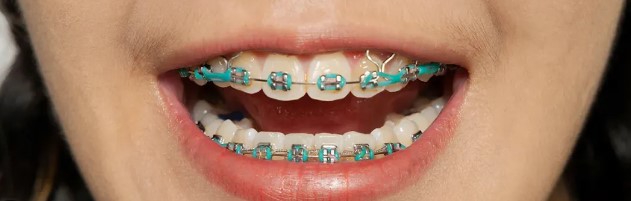
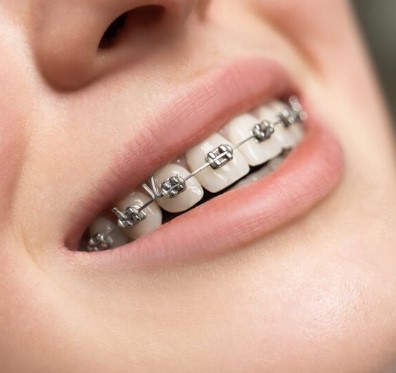
Discover the fascinating world of orthodontics with our comprehensive guide on the various types of braces and how they work. Braces have come a long way in recent years, and understanding the array of options can be bewildering yet exciting. From traditional metal braces that have stood the test of time to modern innovations like ceramic braces, lingual braces, and clear aligners, each type offers unique benefits for achieving that perfect smile. Unravel the intricacies of their mechanisms as we delve into the science behind orthodontic treatment. Whether you're a curious individual exploring your options or a concerned parent seeking the best solution for your child, this guide will navigate you through the world of braces, providing valuable insights and a deeper understanding of the perplexing world of orthodontics.
When it comes to the question of who needs braces, the answer is not always straightforward. Orthodontic candidacy involves a myriad of factors that contribute to the decision-making process. Age, dental misalignments, bite issues, and overall oral health play crucial roles in determining if braces are necessary. While some individuals might seek braces for cosmetic reasons, others may require orthodontic treatment to address functional concerns. The intricacies of each case necessitate a personalized approach, where orthodontists carefully assess and tailor treatment plans to meet the specific needs of the patient. Whether it's a child experiencing early signs of misalignment or an adult seeking to improve their smile, understanding the nuances of candidacy for braces is essential for embarking on a journey towards a healthier and more confident smile.
Do I Need To Get Braces? |
|---|
|
Many individuals wonder if they need braces to address dental issues and improve their smile. The decision to undergo orthodontic treatment is not always simple, and various factors come into play. One essential consideration is age. Children, teens, and adults can all benefit from braces, but the optimal time for treatment may differ. Early intervention can often prevent more severe issues in the future. Dental misalignments are a common reason for seeking braces. Crooked teeth can not only affect aesthetics but also impact oral health, leading to difficulties in cleaning and potential problems with chewing or speaking. Another vital aspect to assess is the health of the bite. An improper bite, such as an overbite or underbite, can result in discomfort and uneven pressure on the teeth. Consulting with an orthodontist is crucial to determine the best course of action. They will perform a thorough evaluation and recommend the most suitable treatment plan, which may include traditional braces, ceramic braces, clear aligners, or other options based on individual needs. Ultimately, the decision to get braces should be made collaboratively with the advice of a dental professional, ensuring a path towards a healthier, more confident smile. |
Embarking on the journey of getting braces is a multifaceted process that entails several crucial steps, all aimed at achieving a confident smile. It begins with an initial consultation with an orthodontist, where they assess the individual's dental condition, discuss treatment options, and address any concerns. Once the decision is made to proceed, the orthodontist will create a personalized treatment plan, taking into account the specific needs and goals of the patient. Whether it's traditional braces or more modern options like clear aligners, the chosen braces are then carefully applied during the next appointment. Regular follow-up visits allow for adjustments and progress monitoring. Over time, the braces work their magic, gently shifting the teeth into their desired positions. Throughout the process, oral hygiene and maintenance play a vital role in ensuring the best possible outcome. With patience and dedication, the process of getting braces culminates in a beautifully aligned and confident smile.
Embarking on an orthodontic journey can bring about various challenges, but with the right approach, managing discomfort and care during treatment becomes more manageable. Embracing a daily oral hygiene routine is paramount, involving gentle brushing, flossing, and rinsing to maintain optimal dental health. While braces may cause some initial discomfort, adhering to the orthodontist's guidelines and attending regular check-ups aids in tracking progress and resolving any issues promptly. Incorporating soothing practices, such as using orthodontic wax to alleviate irritation or consuming soft foods during the initial adjustment period, can make the experience more comfortable. With a blend of patience, consistent care, and communication with the orthodontic team, navigating the orthodontic journey becomes smoother, leading to a rewarding and confident smile transformation.
When it comes to the length of orthodontic treatment, the question How long will you need braces? doesn't have a one-size-fits-all answer. The duration of treatment varies significantly depending on several factors, including the severity of the dental misalignment, the chosen type of braces, and the patient's adherence to the orthodontist's recommendations. Some individuals may only need braces for a relatively short period, while others with more complex cases might require treatment for several months or even a few years. Regular follow-up visits and adjustments are essential to ensure the progress is on track. While the process may seem daunting, patience and commitment to the treatment plan will ultimately lead to a beautifully aligned and confident smile, making the orthodontic journey well worth the time invested.
When considering orthodontic treatment, one crucial aspect to understand is the costs involved and the potential insurance coverage for braces. The financial aspects of getting braces can vary based on factors such as the type of braces chosen, the complexity of the case, and the geographic location. It is essential to consult with an orthodontist to obtain a personalized cost estimate tailored to individual needs. Furthermore, exploring insurance coverage options is vital to alleviate some of the financial burden. While many dental insurance plans provide coverage for orthodontic treatment, the extent of coverage may differ. Understanding the terms and limitations of the insurance policy is essential to plan for out-of-pocket expenses. With careful financial planning and open communication with the orthodontic provider and insurance company, individuals can make informed decisions about their orthodontic treatment and embark on their journey to a confident smile with greater peace of mind.
After the exhilarating journey of wearing braces, maintaining a beautiful smile requires diligent effort through retainers and long-term maintenance. Retainers play a crucial role in ensuring the teeth stay in their newly aligned positions. While their usage may vary, wearing them as prescribed by the orthodontist is essential for the best results. As life after braces unfolds, a consistent oral hygiene routine remains vital to preserve the investment made in orthodontic treatment. Regular dental check-ups, professional cleanings, and addressing any oral health issues promptly contribute to the long-term success of the orthodontic journey. Embracing healthy habits like avoiding hard or sticky foods and refraining from harmful habits like nail-biting or teeth grinding further safeguard the smile's brilliance. By staying committed to proper retainer use and following a comprehensive maintenance routine, individuals can revel in their newfound confidence with a radiant and enduring smile.
Braces can cause some discomfort, especially after adjustments. However, modern braces are designed to minimize pain. Over-the-counter pain relievers and orthodontic wax can help alleviate any soreness.
The ideal age for braces can vary, but early intervention is beneficial for addressing dental misalignments in children. Orthodontic treatment can also be successful for adults at any age.
The duration of orthodontic treatment depends on individual factors, such as the complexity of the case and the type of braces used. Typically, braces are worn for several months to a few years.
Yes, adults can absolutely get braces. There are various orthodontic options available for adults, including discreet choices like clear aligners, making it possible to achieve a beautiful smile at any age.